
Choosing the Right Approach
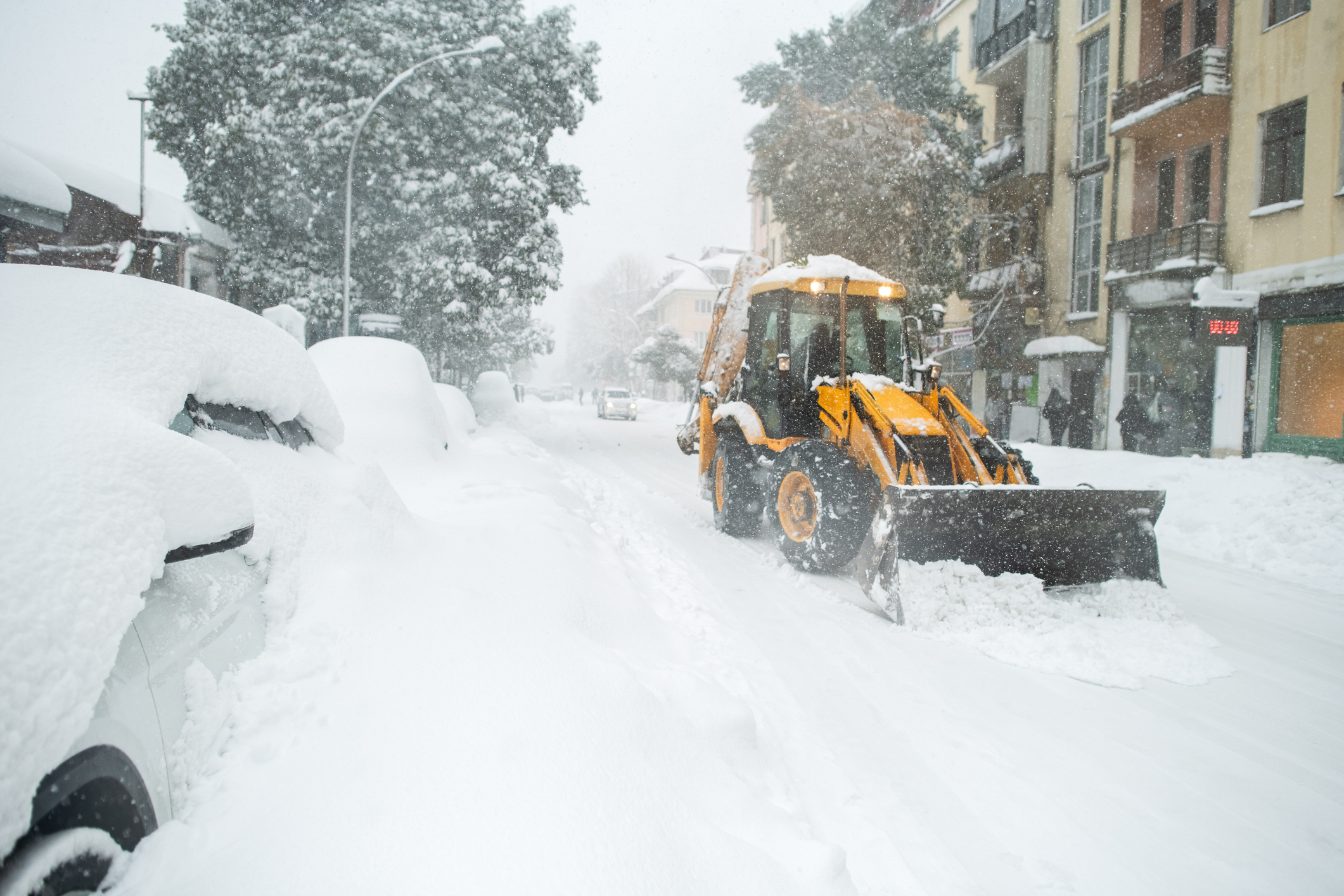
Commercial snow plowing, relocation, and hauling are different methods of managing accumulated snow on business properties. Plowing clears snow from paved surfaces, relocation moves snow to another location on the property, and hauling removes accumulated snow from the site. Choosing the appropriate method depends on available space, snowfall conditions, and the property’s operational needs.
For commercial property managers in Alaska, understanding these differences is important when planning winter maintenance. JEFFCO Inc. provides commercial snow management services that address changing accumulation and help businesses maintain access to parking lots, entrances, and other important areas.
- TL;DR
- Snow plowing clears parking lots, drive lanes, and other paved surfaces by pushing accumulated snow into designated storage areas.
- Snow relocation moves existing snow piles to more suitable locations on the property when they begin interfering with normal operations.
- Snow hauling removes snow from the property entirely and may be necessary when on-site storage becomes limited.
What Is Commercial Snow Plowing and When Is It Used?
Plowing requirements depend on the property’s size, operating hours, traffic patterns, and weather conditions. Some facilities may require additional attention during prolonged snowfall to maintain important access routes. Although plowing effectively clears paved surfaces, it does not eliminate the snow from the property. As accumulation increases, snow storage areas may become crowded and require additional management.
When Should Commercial Properties Consider Snow Relocation?
The feasibility of relocation depends on the property’s layout and available storage space. Larger commercial facilities may have designated areas where accumulated snow can be moved without affecting daily operations. Property managers should also consider drainage patterns and nearby landscaping before selecting new storage locations.
What Is Commercial Snow Hauling and Why Might It Be Necessary?
Removing excessive snow accumulation can help restore usable parking areas, improve visibility, and reduce conflicts between snow storage and vehicle movement. Snow hauling is often considered as part of a broader winter maintenance strategy rather than a replacement for routine plowing.
How Does Snow Storage Affect the Choice Between These Services?
Snow storage should not interfere with building access, pedestrian routes, loading areas, or important sightlines. Property managers should also consider where melting snow will drain as temperatures change. Evaluating these factors before winter can help determine whether relocation or hauling may eventually be necessary.
Snow Management Methods
Effective snow management helps commercial properties maintain safe, accessible, and functional spaces throughout Alaska’s winter months. Learn how JEFFCO’s snow plowing, relocation, and hauling services help manage snow accumulation, preserve parking areas, and minimize disruptions to daily operations.
Can Commercial Properties Use All Three Snow Management Methods?
Yes. Many commercial properties benefit from combining snow plowing, relocation, and hauling as winter conditions change. Plowing may be used to clear paved surfaces following snowfall. Relocation can help address piles that begin affecting parking or circulation, while hauling provides an option when available storage becomes insufficient. The appropriate combination depends on the property’s layout, snowfall accumulation, and operational requirements. At JEFFCO Inc., we provide commercial snow plowing, relocation, and hauling services throughout Alaska. A coordinated snow management strategy helps property managers respond to changing conditions while preserving important access areas.
Frequently Asked Questions
Proper snow management helps commercial properties maintain safe and accessible spaces throughout winter. Explore JEFFCO’s FAQs to learn about snow hauling, snow relocation, and how effective snow storage planning can help prevent drainage problems and operational disruptions.
No. Properties with adequate snow storage space may be able to manage accumulation through plowing and relocation. Hauling becomes more relevant when storage limitations begin affecting accessibility or operations.
Yes. Melting snow can produce runoff that accumulates on paved surfaces or refreezes when temperatures fall. Storage locations should be selected with drainage and surrounding property conditions in mind.
Snow relocation moves accumulated snow to another location on the same property. Snow hauling removes the snow from the site entirely.
